 By User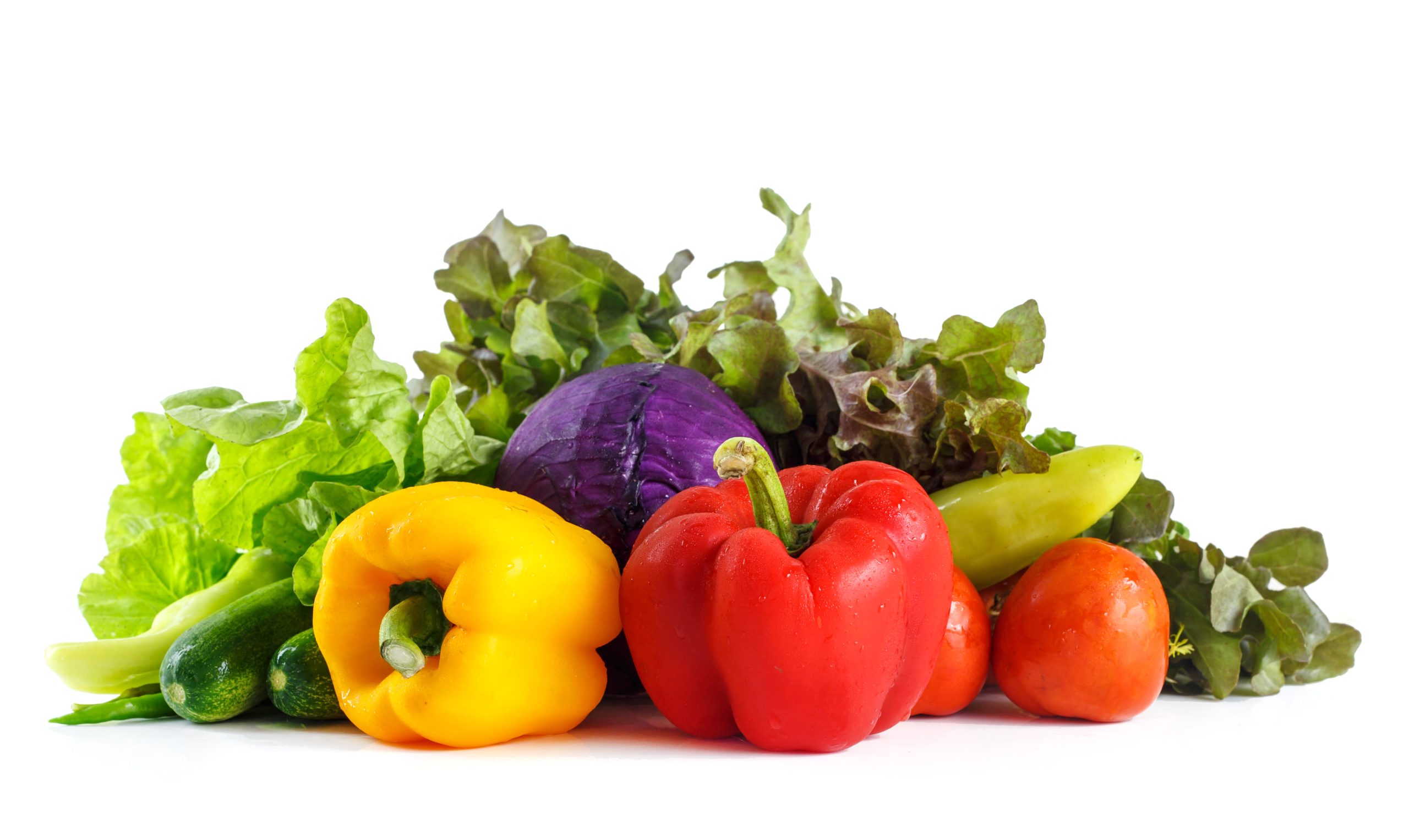
Healthy aging is a lifelong process influenced by nutrition, physical activity, cognitive engagement, and preventive healthcare. Research from the CDC indicates that 80% of older adults have at least one chronic condition, but lifestyle changes can significantly reduce risks.
Diet and Longevity
Studies published in The Lancet show that diets rich in whole grains, vegetables, nuts, and lean proteins are associated with up to 30% lower mortality. Antioxidant-rich foods reduce oxidative stress, a major contributor to aging.
Exercise for Mobility and Strength
NIH research demonstrates that both aerobic activity and strength training are essential for preventing muscle loss. Adults over 50 who engage in resistance training at least twice per week maintain 20–25% more muscle mass than sedentary adults. Regular exercise also lowers the risk of falls and fractures.
Cognitive Health
The Alzheimer’s Association reports that brain-stimulating activities—reading, puzzles, and learning new skills—may reduce cognitive decline by up to 30%. Physical activity further enhances brain function by increasing blood flow and promoting neuroplasticity.
Preventive Health Screening
The CDC emphasizes that early detection of conditions like hypertension, diabetes, and cancer increases treatment success. Routine check-ups can improve survival rates for some cancers by 50–90%, depending on stage.
Healthy aging is not defined by avoiding illness entirely but by optimizing daily habits that support long-term functional independence.